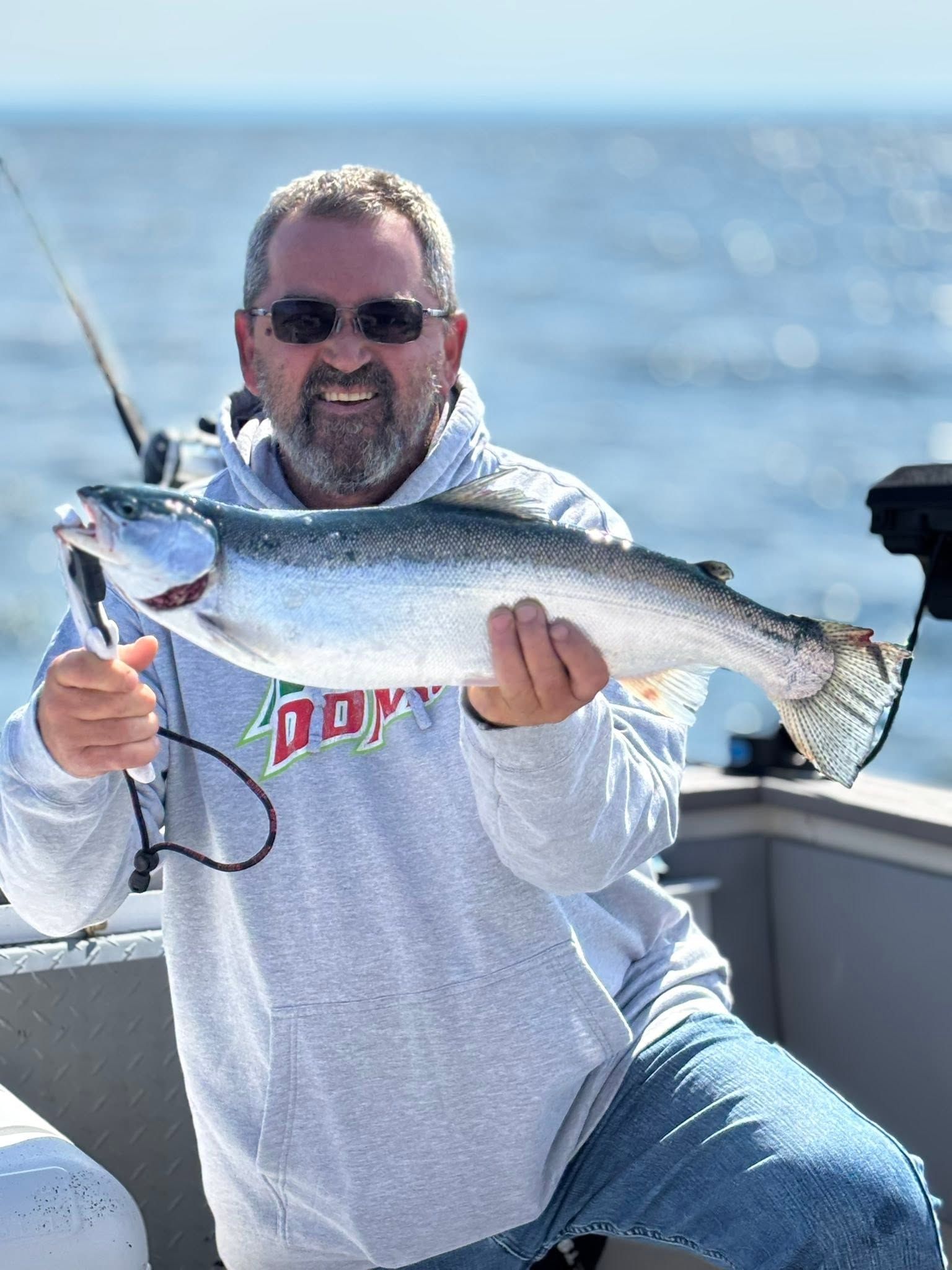


Early Morning Lake Ontario Salmon Charter
 Lake Ontario, NY
What you will be catching:
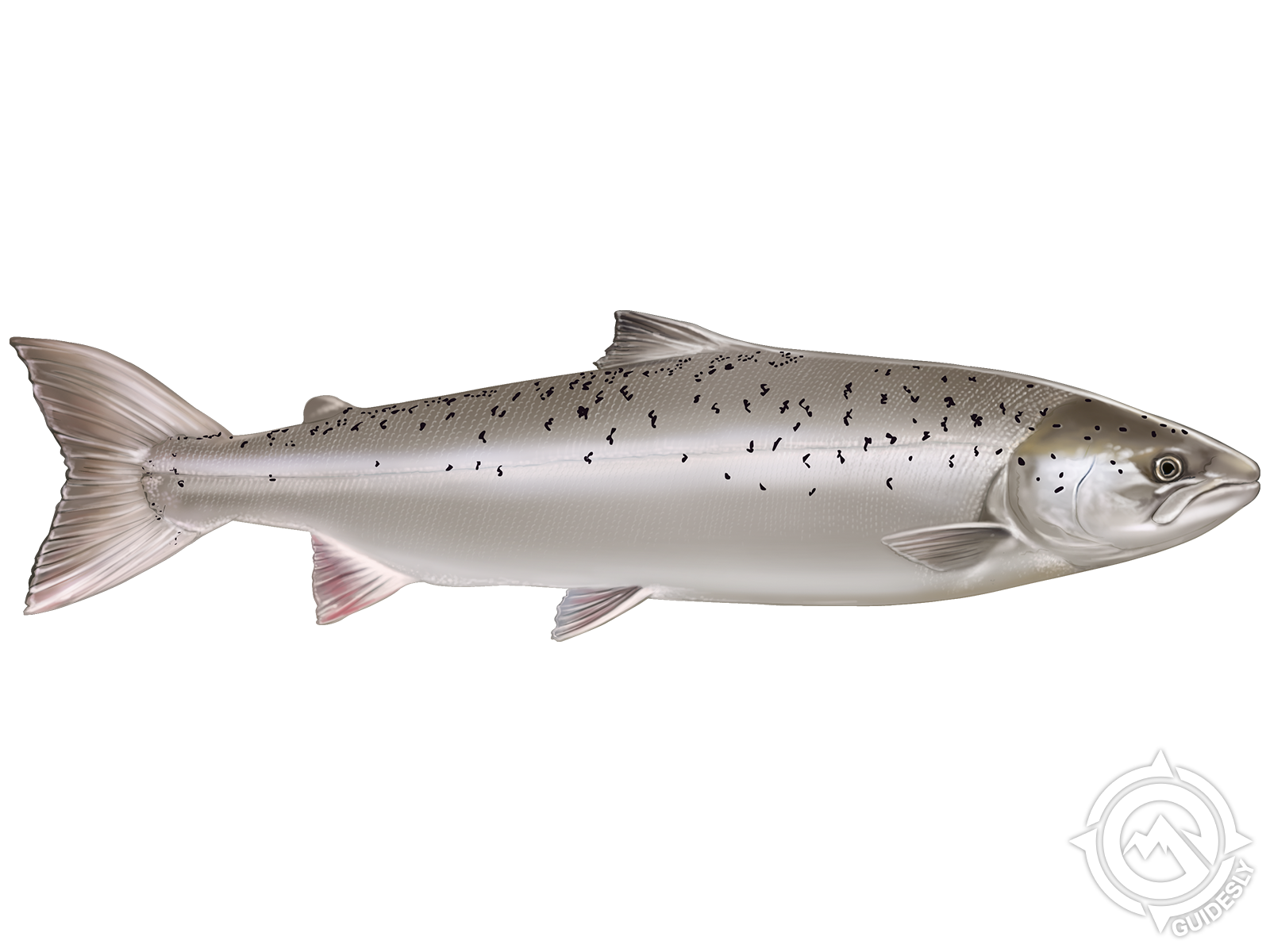 Atlantic Salmon
 Chinook Salmon
 Coho Salmon
 Lake Trout
 Steelhead Trout
- Early morning departure maximizes prime salmon feeding periods
- Advanced electronics ensure precise fish location and targeting
- Complete service includes gear setup and professional filleting
Trip Pricing and Availabilities:
Early Morning Lake Ontario Salmon Charter
Nothing beats hitting Lake Ontario's deep waters at first light when the salmon are feeding hard and the lake is all yours. Captain Forrest Beacraft's early morning charter puts you right where the action happens - out in the open water where big salmon and trout cruise the thermocline looking for an easy meal. This isn't some casual harbor cruise - we're talking serious fishing with downriggers, dipsy divers, and high-end electronics that'll put your lures exactly where they need to be. You'll be back at the dock before most folks even finish their second cup of coffee, with the rest of your day wide open and hopefully a cooler full of fresh fillets.
What to Expect on the Water
We launch in the pre-dawn darkness and make a quick run to the productive zones where salmon school up to feed. Captain Beacraft knows these waters like the back of his hand - he's got his go-to spots marked and uses sonar to read the water column for baitfish and game fish activity. The boat handles four anglers comfortably, so you're not fighting for elbow room when a fish hits. Everything's set up for you - rods, reels, tackle, and all the downrigger gear. The captain handles the technical stuff like watching the fish finder, adjusting depths, and calling the trolling patterns while you focus on feeling for that telltale thump of a salmon taking your spoon. When someone hooks up, we clear the other lines fast so you can fight your fish without tangles. After we're done fishing, there's a clean fish-cleaning station right at the marina where the captain will fillet your catch professionally.
Trolling Tactics & Tech
This is all about precision trolling with downriggers and divers to get your lures down to where the fish are holding. We run a spread of four to six lines at different depths, typically anywhere from 40 to 120 feet down depending on water temperature and where the thermocline sets up. The boat's equipped with quality electronics - GPS, fish finder, and temperature probes that let us track the thermal layers where salmon like to cruise. Spoons are the bread and butter here - flashy chrome, copper, and chartreuse patterns that mimic the alewives and smelt these fish are keyed in on. We'll also run some cut bait behind flashers when the bite gets tough. Speed control is critical - most of these fish want lures moving between 2.5 and 3.2 mph, and the captain adjusts constantly based on fish response. The downriggers keep your presentation clean and let us hit exact depths, while the dipsy divers spread the lines out wide to cover more water.
Top Catches This Season
Atlantic Salmon are the prize catch out here - these silver bullets average 8-12 pounds but can push into the mid-teens when you connect with a mature fish. They're incredibly aggressive in the early morning hours and will absolutely smoke a spoon trolled at the right depth. Spring through early summer is prime time, with peak action typically from late April through June. What makes them special is that explosive first run when they realize they're hooked - pure adrenaline as they strip line and often jump clear of the water. Coho Salmon bring that classic Pacific Northwest fighting spirit to the Great Lakes. These acrobatic fish average 6-10 pounds and are famous for their aerial displays when hooked. They school up in good numbers during their peak season from July through September, and they're suckers for bright spoons and cut bait presentations. Coho fight dirty - lots of direction changes and jumps that'll test your drag settings. Steelhead Trout are the wildcards that can show up any time of year, though early morning summer fishing often produces the best action. These chrome-sided fighters run 6-15 pounds and are known for long, powerful runs that'll take you well into your backing. They're incredibly line-shy, so lighter leaders and natural presentations often make the difference between a successful day and going home empty-handed. Chinook Salmon are the true heavyweights of Lake Ontario, with fish regularly hitting 15-25 pounds and occasional monsters pushing into the 30-pound range. Peak season runs from late June through August, and these fish prefer deeper, cooler water where they cruise for alewives and smelt. When a big King hits your downrigger, you'll know it - they pull hard and steady, testing every component of your tackle setup. Lake Trout are the deep-water specialists that provide consistent action when other species are finicky. These native fish range from 5-20 pounds and relate strongly to specific depths and bottom structure. They're most active during the cooler months but can be targeted year-round by fishing deep. Lakers are bulldogs - not spectacular jumpers, but they'll give you a steady, powerful fight that'll put a serious bend in your rod.
Time to Book Your Spot
Early morning fishing on Lake Ontario is as good as it gets for salmon and trout action. Captain Beacraft's got the local knowledge, quality equipment, and fish-cleaning services that turn a good day into a great one. The 4-person capacity keeps things comfortable and gives everyone plenty of room to fish effectively. With no meals included, you can grab breakfast after the trip and spend the rest of your day however you want. The productive fishing happens fast in those early hours, so booking ahead is your best bet for securing prime dates during peak season. Whether you're after chrome-bright salmon, hard-fighting steelhead, or trophy lake trout, this charter puts you on the fish when they're most active and feeding aggressively.
Learn more about the species
Atlantic Salmon
Atlantic salmon in Lake Ontario run big - typically 8-12 pounds but some push 15+. These silver bullets have that classic forked tail and sleek build that makes them serious fighters once hooked. They cruise the deeper, cooler waters during summer months, usually 40-80 feet down where the thermocline sits. Spring and fall are prime time when they move closer to surface temps chasing baitfish like alewives. What makes them special is their incredible leaping ability - they'll clear the water multiple times during a fight. The meat is top-shelf too, with that rich orange-pink color. My go-to trick? Run your spoons just above the bait schools we mark on the fish finder. They'll hit hard when they're looking up at silhouettes against the surface light.
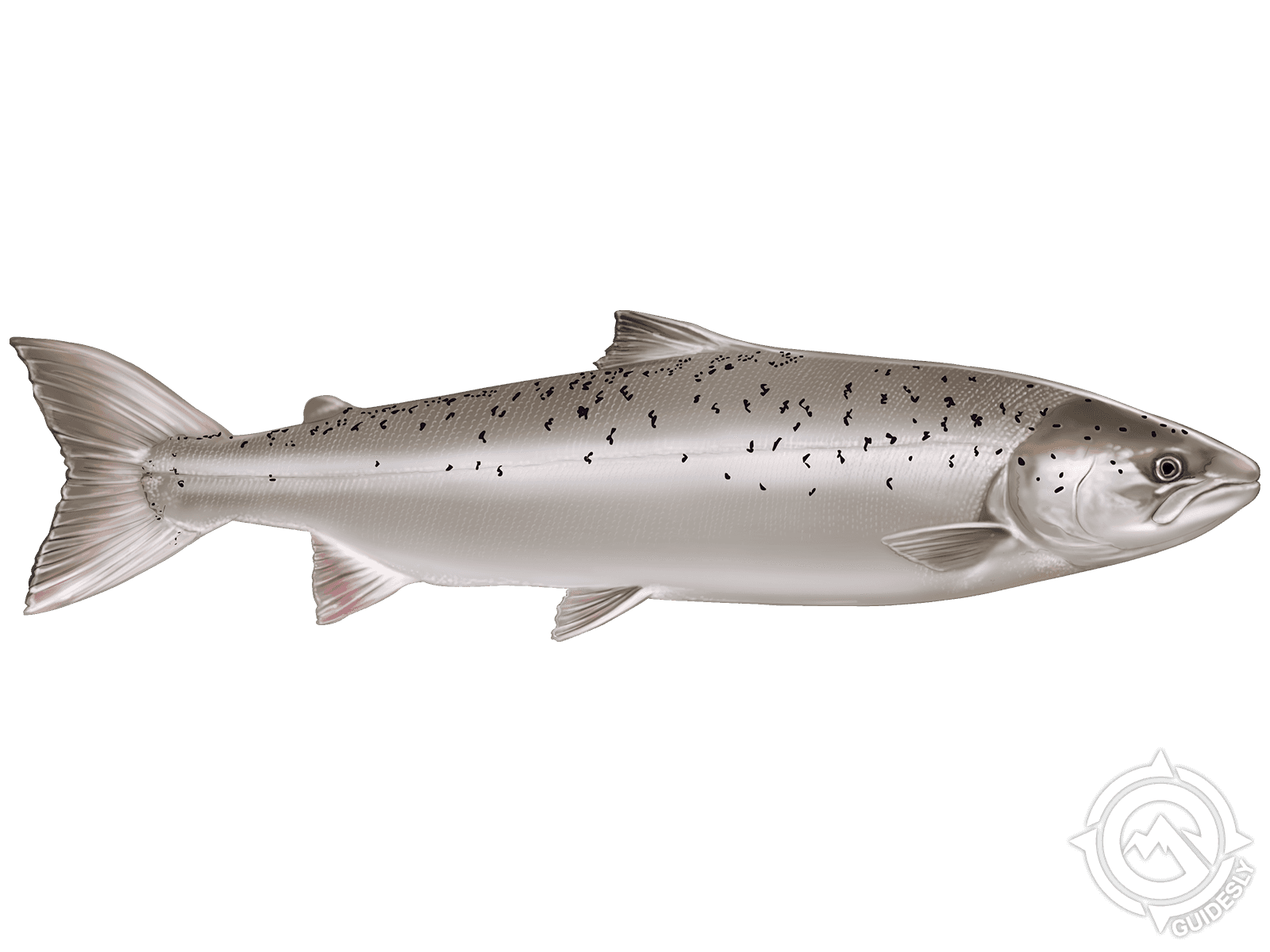
Chinook Salmon
King salmon are the giants of Lake Ontario - these bruisers average 15-25 pounds but can hit 30+ pounds. They're built like torpedoes with silver sides, blue-green backs, and black spots covering their heads and fins. Look for them in the deepest, coldest water - usually 60-120 feet down during summer. They're light-sensitive, so early morning and overcast days produce the best action. What makes kings special is their raw power - no fancy jumping, just bulldogging runs that'll test your drag system. The deep red meat is prized by serious anglers. Spring and fall offer the hottest fishing when they move up in the water column. My best tip? Use heavy tackle and don't be afraid to go deep. When we mark fish at 80+ feet, that's where the big kings live. Run your downriggers tight to bottom structure.
Coho Salmon
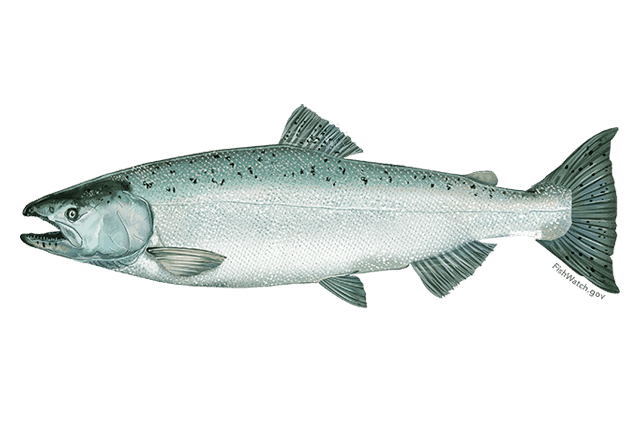
Coho salmon are the acrobats of Lake Ontario - these silver rockets average 8-12 pounds but fight like fish twice their size. Look for them in 30-60 feet of water during summer, often suspended mid-column chasing baitfish. They've got dark blue-green backs with bright silver sides and distinctive black spots on their tails. Fall brings the best action as they bulk up before spawning runs. What makes coho special is their jumping ability - they can leap 6 feet straight up and will dance across the surface when hooked. The bright orange meat is excellent eating too. Early morning is prime time when they move shallow to feed. Here's a local tip: when you see birds working bait on the surface, drop your lines 20 feet below - coho are usually right underneath waiting to ambush.
Lake Trout
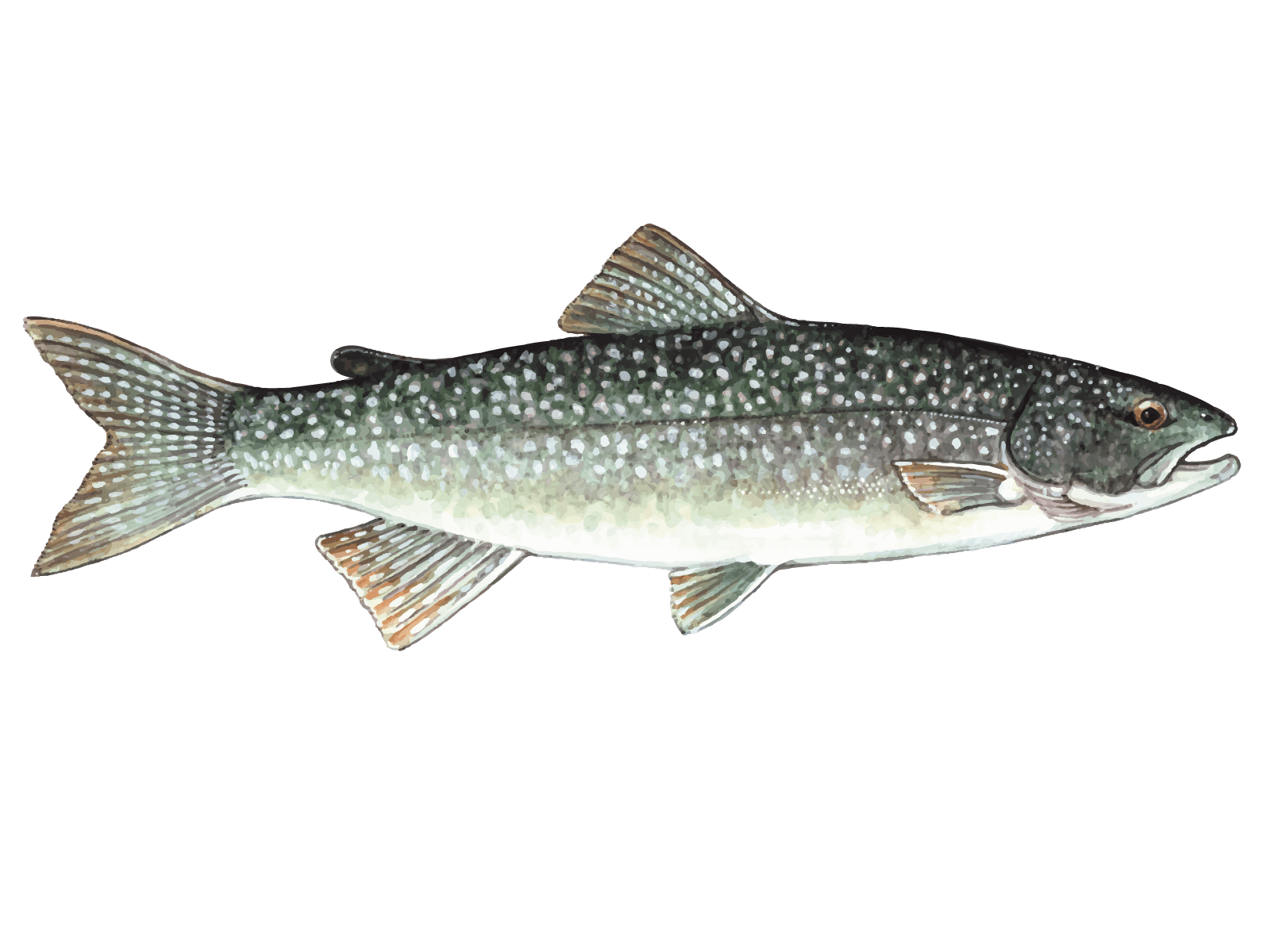
Lake trout are Ontario's deep-water natives - these hefty char average 15-25 pounds with some monsters pushing 40+. They've got that distinctive grey-green coloring with cream-colored spots scattered across their bodies. During summer, you'll find them way down in 80-150 feet, hugging the thermocline where it's cold and oxygen-rich. Spring right after ice-out and late fall are prime times when they venture shallower. What makes lakers appealing is their size potential and the challenge of deep-water fishing. They're not jumpers like salmon but they're strong, steady fighters. The pink meat is excellent when properly handled. These fish live slow and grow old - some are decades old. Best technique? Vertical jigging with heavy spoons or soft plastics right on bottom. When you mark fish, drop straight down - lakers don't chase lures far.
Steelhead Trout
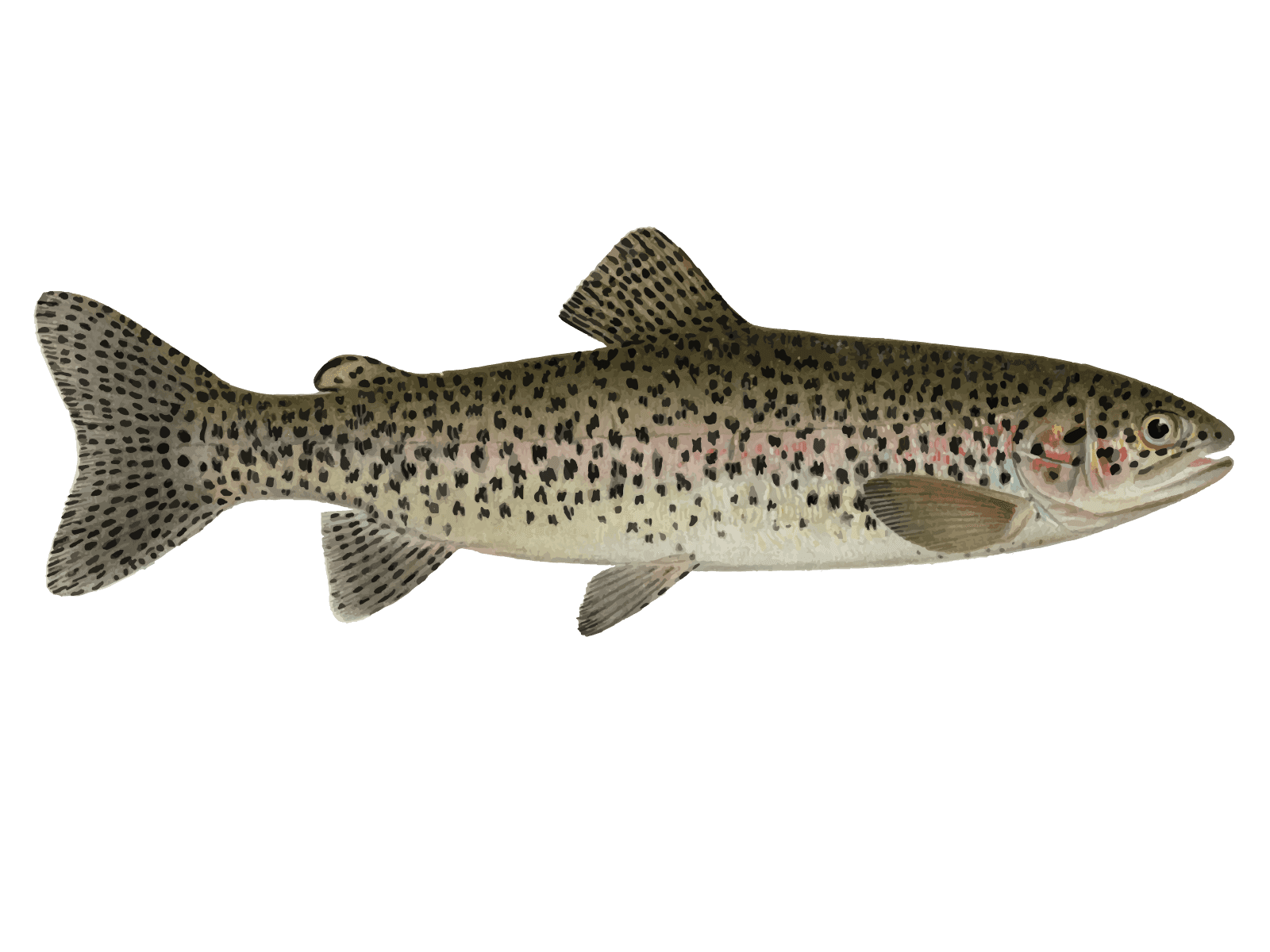
Steelhead are Lake Ontario's ultimate challenge - these chrome-bright fighters average 6-10 pounds but can push 20+. They're basically rainbow trout that live like salmon, spending most of their time in deep, cold water. You'll find them anywhere from 40-120 feet down, often near structure or temperature breaks. Spring and fall produce the best fishing when they stage near tributaries. What sets steelhead apart is their endurance - they'll make long, powerful runs and jump repeatedly. Their silvery sides and black-spotted backs make them beautiful fish, and the pink meat is fantastic table fare. Unlike Pacific salmon, they can spawn multiple times. The key to landing one? Keep steady pressure but let them run when they want to. Fighting them too hard early will cost you fish. Work the edges of temperature breaks - that's where they ambush baitfish.
About the Bear Craft

Vehicle Guest Capacity: 6
Manufacturer Name: Mercury
Maximum Cruising Speed: 35
Number of Engines: 2
Horsepower per Engine: 300