Lake Ontario Chinook Salmon Fishing Mexico NY
Salmon Fishing on Lake Ontario - What to Expect

Fishing Charter by Captain Forrest Beacraft in September
- Lake Ontario Salmon & Trout Fishing Charters


Summary
Drop into a Wednesday in September for an exhilarating fishing charter on Lake Ontario, where Chinook salmon reign supreme. This guided fishing trip combines local expertise with proven tactics, delivering the kind of day that keeps anglers coming back season after season.
Fishing Charter with Captain Forrest Beacraft - Rates & Booking
Captain Forrest Beacraft of Bear Craft Fishing Science LLC offers specialized Chinook salmon fishing charters on Lake Ontario out of Mexico, NY. Operating this fishing charter provides direct access to some of the region's most productive salmon grounds, where trophy-class fish are within reach for anglers of all skill levels.
The charter experience centers on pursuing Chinook salmon through proven deep-water techniques. Captain Beacraft's approach emphasizes understanding fish behavior, seasonal patterns, and lake conditions to maximize your chances of landing a memorable catch. Whether you're a seasoned angler or new to salmon fishing, the charter is structured to deliver results and unforgettable moments on the water.
Contact Bear Craft Fishing Science LLC directly through Bayside Marina in Mexico, NY to discuss charter availability, group composition, and specific salmon fishing packages. Professional guidance, local knowledge, and access to prime Lake Ontario fishing grounds are central to the charter experience.
Highlights of Lake Ontario Salmon Fishing
Lake Ontario's Chinook salmon fishery stands as one of the most exciting freshwater adventures in the Northeast. The combination of massive fish, responsive strikes, and scenic water creates the kind of day that defines why anglers travel to this region. Each charter targets the seasonal movements of Chinook salmon as they patrol deep structure and current breaks, offering multiple opportunities to connect with powerful fish.
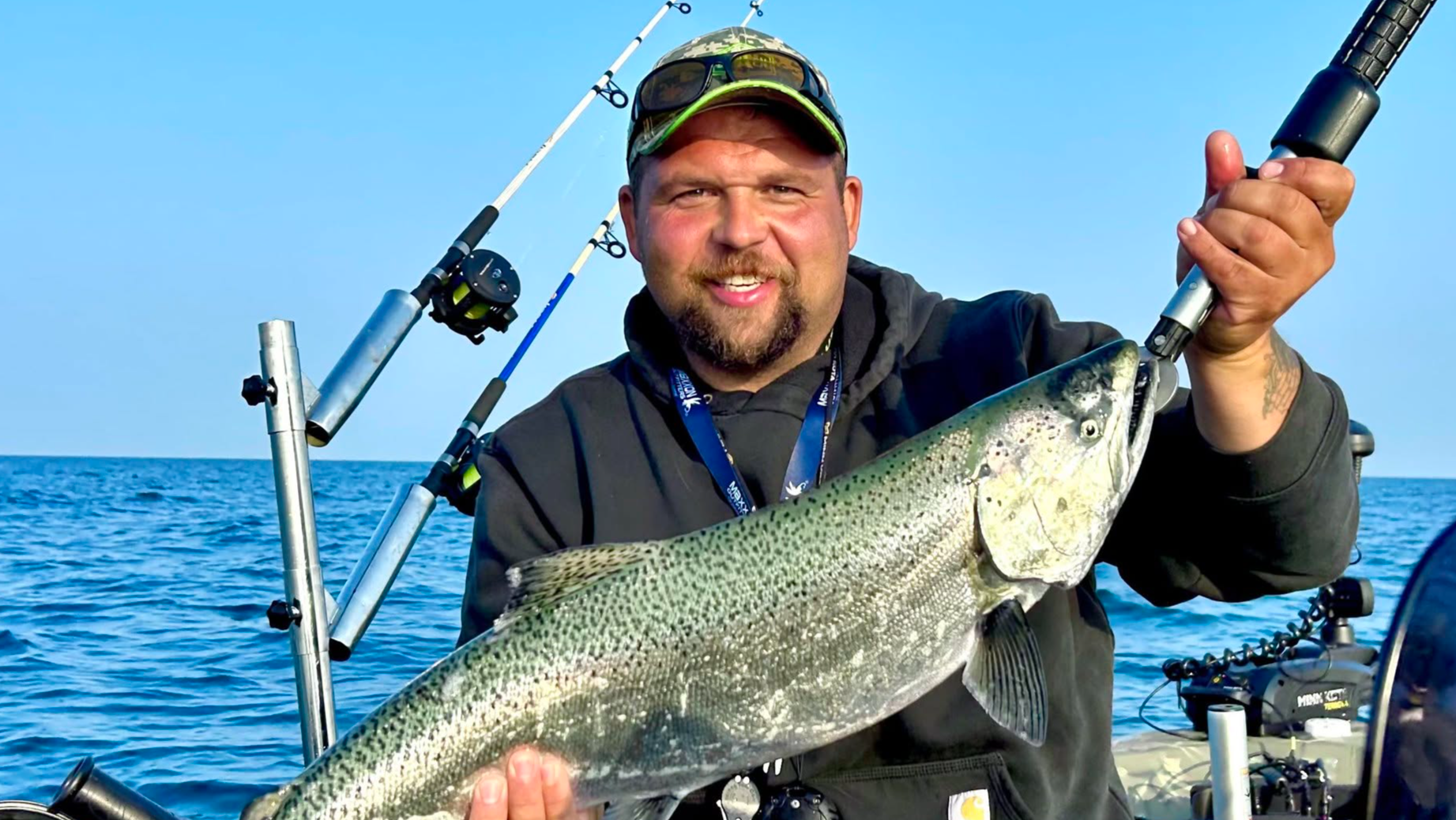
The professional setup at Bayside Marina ensures you're launching from a location steeped in local fishing culture. Captain Beacraft's experience reading the lake, identifying productive depths, and employing targeted retrieval methods transforms a day on the water into a masterclass in Chinook pursuit. The visual reward of seeing five trophy fish hanging on the display rack represents the tangible outcome of strategy, skill, and ideal conditions converging on one memorable day.
Local Species Insights: Chinook Salmon
Chinook salmon in Lake Ontario are formidable adversaries, renowned for their aggressive strikes and powerful runs. These fish are anadromous, meaning they spend time in both saltwater and freshwater environments during their life cycle. In Lake Ontario, Chinook thrive in the cool, oxygen-rich depths, where they pursue forage fish including Atlantic herring and other baitfish species that sustain their rapid growth.
The behavior of Chinook salmon shifts with the seasons. In early fall, around late September, these fish are particularly active as they respond to changing water temperatures and prepare for their spawning migration. They congregate around areas of thermal structure, deeper drop-offs, and current convergence zones where forage concentrates. This seasonal activity window creates ideal conditions for charter operations, as fish are more willing to strike and more predictable in their location patterns.
Chinook salmon reach impressive sizes in Lake Ontario, with fish exceeding 30 pounds not uncommon on productive days. Their powerful head shakes, aerial acrobatics, and determined runs make every hookup an adrenaline-filled experience. The species' preference for cooler water temperatures means most productive fishing occurs during spring and fall months, with mid-to-late September representing peak conditions as fish concentrate in accessible depths before their upstream spawning run.
Understanding forage species like Atlantic herring is also important to Chinook success. These baitfish form a critical part of the salmon diet, and understanding where herring concentrate often leads directly to where salmon patrol. Captain Beacraft's knowledge of this predator-prey relationship directly informs tackle selection, lure choice, and the specific depths and structure targeted throughout the day.
Plan Your Lake Ontario Salmon Fishing Day
A typical charter day begins early, with your group meeting at Bayside Marina in Mexico, NY to board the fishing vessel. Captain Beacraft will brief you on the day's fishing conditions, target species behavior, and specific techniques you'll employ. Most Chinook fishing occurs in the deeper offshore waters of Lake Ontario, where the captain's fish-finding expertise and seasonal knowledge guide your route to productive grounds.
Throughout the day, you'll be actively engaged in fishing, whether casting, trolling, or vertical jigging depending on the technique employed. The presence of multiple anglers on a charter creates a collaborative energy, with experienced anglers and newcomers working together under Captain Beacraft's direction. Short runs between productive spots provide moments to absorb the expansive lake views and the unique character of Lake Ontario's offshore environment.
As the day concludes, successful catches are brought back to Bayside Marina where they can be photographed and displayed, creating lasting memories of your salmon fishing adventure. The transition from the open water back to the dock marks the end of an immersive experience in Lake Ontario's premier Chinook fishery.
Fishing in Lake Ontario, NY: Chinook Salmon and Atlantic Herring
Chinook Salmon Overview
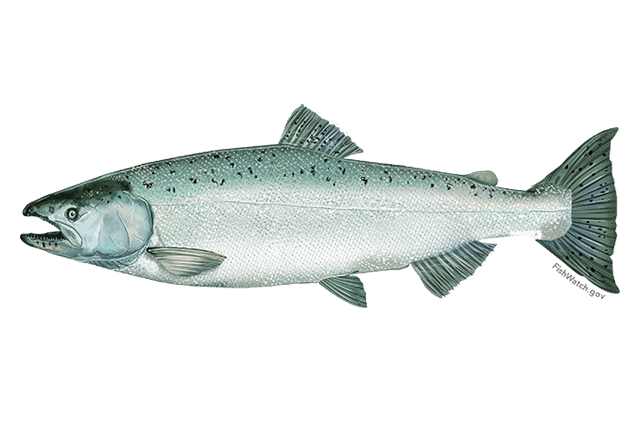
The Chinook Salmon (Oncorhynchus tshawytscha), commonly called King Salmon, is the largest and most prized member of the Salmonidae family within the order Salmoniformes. Known for their silver sides, vibrant blue-green backs, and distinctive black spots covering their heads, backs, tails, and fins—along with their characteristic black mouths and gums—these powerful fish are legendary among anglers and seafood enthusiasts alike. Found throughout the colder waters of the Pacific, from Alaska to Northern California and introduced populations in the Great Lakes, Chinook salmon represent one of the most exciting freshwater and saltwater angling experiences available. These fish are not just impressive fighters; they're also environmental indicators, leaving water bodies when habitat degradation occurs, making them invaluable to understanding ecosystem health in cities like Anchorage, Alaska.
Chinook Salmon Habitat and Distribution
Chinook salmon thrive in cold, clean waters and exhibit fascinating habitat preferences throughout their lifecycle. Young salmon spend their early years in freshwater streams and estuaries, often hiding among tree roots and other protective structures in cold, flowing water. As they mature, they migrate into the open ocean where nutrient-rich environments support their rapid growth and development. These fish are found naturally across the Pacific coast, ranging from Alaska and Western Canada south through Washington State, Oregon, Idaho, and Northern California. Beyond their native range, they've been successfully introduced to Japan, Russia, and the Great Lakes region of the United States. Key fishing destinations include Ship Creek in Anchorage, Alaska, and Lake Oahe in South Dakota, where populations support thriving recreational fisheries. Snow melt into lakes and streams creates ideal conditions for both young and spawning adults, making spring and early summer particularly productive seasons.
Chinook Salmon Size and Weight
Chinook salmon live up to their King Salmon nickname by growing to impressive sizes. Typically, these fish range from 30 to 59 inches in length and weigh between 10 to 50 pounds, with many specimens well into the trophy category. In their native habitats with abundant food sources and optimal conditions, individual fish can exceed 20 to 30 pounds routinely, with exceptional specimens pushing toward the upper weight ranges. The description notes that while typical fish measure 12 to 39 inches and weigh 7 to 15 pounds in many waters, the larger sizes documented here reflect the potential of well-fed populations in prime fishing grounds. This size variation depends heavily on habitat quality, food availability, and ocean conditions during their seawater phase, where they accumulate most of their bulk before returning to spawn.
Chinook Salmon Diet and Behavior
The dietary preferences of Chinook salmon change dramatically as they grow and migrate. Young salmon feed on plankton, aquatic insects, small fish, and invertebrates while inhabiting freshwater nurseries. Once they transition to ocean life, their diet expands significantly to include sand lance, pilchards, squid, herring, and various crustaceans—a nutritional abundance that drives their rapid growth and distinctive reddish-pink to orange meat coloration. Adult salmon demonstrate strong light sensitivity, typically remaining near the bottom of water columns during daylight hours and becoming more active during low-light periods. This behavior has significant implications for successful angling strategies. Males develop more intense coloring than females as they mature and prepare to spawn, and they also exhibit the distinctive hooked jaw and pronounced upper jaw that characterizes spawning males. Understanding these behavioral patterns is essential for timing your fishing efforts and selecting effective techniques.
Chinook Salmon Spawning or Seasonal Activity
Chinook salmon are anadromous fish, meaning they spend most of their adult lives in the ocean before returning to freshwater to reproduce. They reach sexual maturity between 2 to 7 years of age, at which point the spawning drive compels them to undertake remarkable migrations back to their natal streams. Females construct redds—gravelly nests built on the stream bottom—where they deposit their eggs. Depending on water temperature and spawning timing, incubation periods vary, with hatching typically occurring in early spring or late winter. Tragically, these fish die soon after spawning, completing their lifecycle in a single dramatic reproductive event. This semelparous (single-breeding) life history strategy means that successful populations depend entirely on maintaining healthy spawning habitat and ensuring that adequate numbers of fish survive their ocean phase to return and reproduce.
Chinook Salmon Techniques for Observation or Capture
Fly Fishing: Fly fishing for Chinook salmon is an exhilarating pursuit that requires understanding how light conditions influence fly selection and presentation. When targeting these fish, exact fly pattern matters less than you might think, but color can make a dramatic difference. On bright, sunny days, use vibrant color combinations like chartreuse and blue or pink and orange. During cloudy or dark conditions, shift toward blue and black or purple and black combinations. Effective fly choices include rhea tube intruders, bunny leeches, marabou tubes, shanked intruders, and minnow patterns. The critical technique is maintaining proper swing—avoid swinging too far and keep your fly swimming actively through the water column. Around Anchorage, Alaska, Ship Creek offers excellent fly-fishing opportunities where you can practice these techniques on eager fish in urban-accessible habitat.
Lake and Offshore Trolling: When pursuing Chinook salmon in lakes or offshore waters, down-rigging and trolling prove highly effective. This method allows you to cover water systematically and adjust depth based on where fish are holding. Use plugs, spoons, trolling flies, or live and dead bait depending on local regulations and fish preferences. The advantage of trolling is that it lets you search large areas and explore different depth zones, increasing your chances of locating actively feeding fish.
Still Fishing with Herring: For a more stationary approach, particularly in deep water, still fishing with herring is exceptionally productive. Position yourself in known deep-water holding areas and allow natural herring presentations to attract feeding fish. This patient technique works well when combined with weighted baits, as Chinook salmon's light sensitivity keeps them near the bottom during daylight hours. The best times for any technique are early morning and evening when light levels are low and fish are most active in shallower, more accessible waters.
Chinook Salmon Culinary or Utilization Notes
Chinook salmon stands among the finest culinary fish available, boasting reddish-pink to orange meat with excellent flavor and texture. The rich, fatty flesh makes it ideal for grilling, smoking, baking, and sautéing—preparation methods that highlight its natural oils and distinctive taste. Beyond the excellent eating experience, salmon provides outstanding nutritional benefits, including high-quality protein, omega-3 fatty acids, and various vitamins and minerals essential for human health. Wild-caught Chinook salmon represents a sustainable protein choice when sourced from well-managed fisheries, though you should always check local regulations and sustainability guidelines before harvest. The combination of hard-fighting sport qualities and exceptional table fare makes successfully landing and preparing Chinook salmon one of the most rewarding outdoor experiences available to anglers and food enthusiasts alike.
Chinook Salmon Frequently Asked Questions
Q: What is the best bait and lure for Chinook salmon?
A: Success depends on your fishing method and conditions. For fly fishing, bright colors like chartreuse and blue work well on sunny days, while blue and black combinations excel in low-light conditions. Effective flies include tube intruders, bunny leeches, and minnow patterns. For other methods, use plugs, spoons, live or dead herring, sand shrimp, and trolling flies. Weighted baits are essential because these light-sensitive fish spend most of their time near the bottom.
Q: Where can I find Chinook salmon near major fishing destinations?
A: Ship Creek in Anchorage, Alaska, is one of the top destinations for accessible Chinook salmon fishing, offering excellent opportunities right in an urban setting. Lake Oahe in South Dakota provides another world-class option. Throughout their native range—Alaska, Western Canada, Washington State, Oregon, Idaho, and Northern California—numerous rivers and coastal areas support healthy populations. The Pacific coast generally offers the most reliable fishing for this species.
Q: When is the best time to catch Chinook salmon?
A: Early morning and evening fishing produces the best results, as these light-sensitive fish are most active during low-light periods. Spring and summer, when snow melt increases water flow and creates ideal spawning conditions, bring fish into rivers and streams. Seasonal timing varies by location, so checking local fishing reports for your specific destination ensures you arrive during peak activity periods.
Q: Is Chinook salmon good to eat?
A: Absolutely. Chinook salmon is considered excellent eating, featuring reddish-pink to orange meat with rich flavor and fatty texture that makes it ideal for virtually any cooking method. The nutritional profile is outstanding, with high-quality protein and abundant omega-3 fatty acids. Wild-caught fish from well-managed fisheries represent a sustainable, delicious protein source.
Q: How large do Chinook salmon typically grow?
A: Chinook salmon earn their King Salmon nickname by growing to impressive sizes—typically ranging from 30 to 59 inches and weighing 10 to 50 pounds. Many specimens routinely exceed 20 to 30 pounds in productive waters. Size depends heavily on habitat quality and food availability, with ocean-phase fish accumulating most of their bulk before returning to spawn.
Q: What do Chinook salmon eat, and how does this affect fishing strategy?
A: Young salmon feed on plankton, insects, and small invertebrates in freshwater. Adult ocean-dwelling fish consume sand lance, herring, pilchards, squid, and crustaceans—a diet that produces their distinctive orange-pink meat. Understanding these preferences helps inform bait and lure selection. Their light sensitivity means they feed actively during early morning and evening when light levels are low, concentrating near the bottom during bright daylight hours.
Atlantic Herring Overview
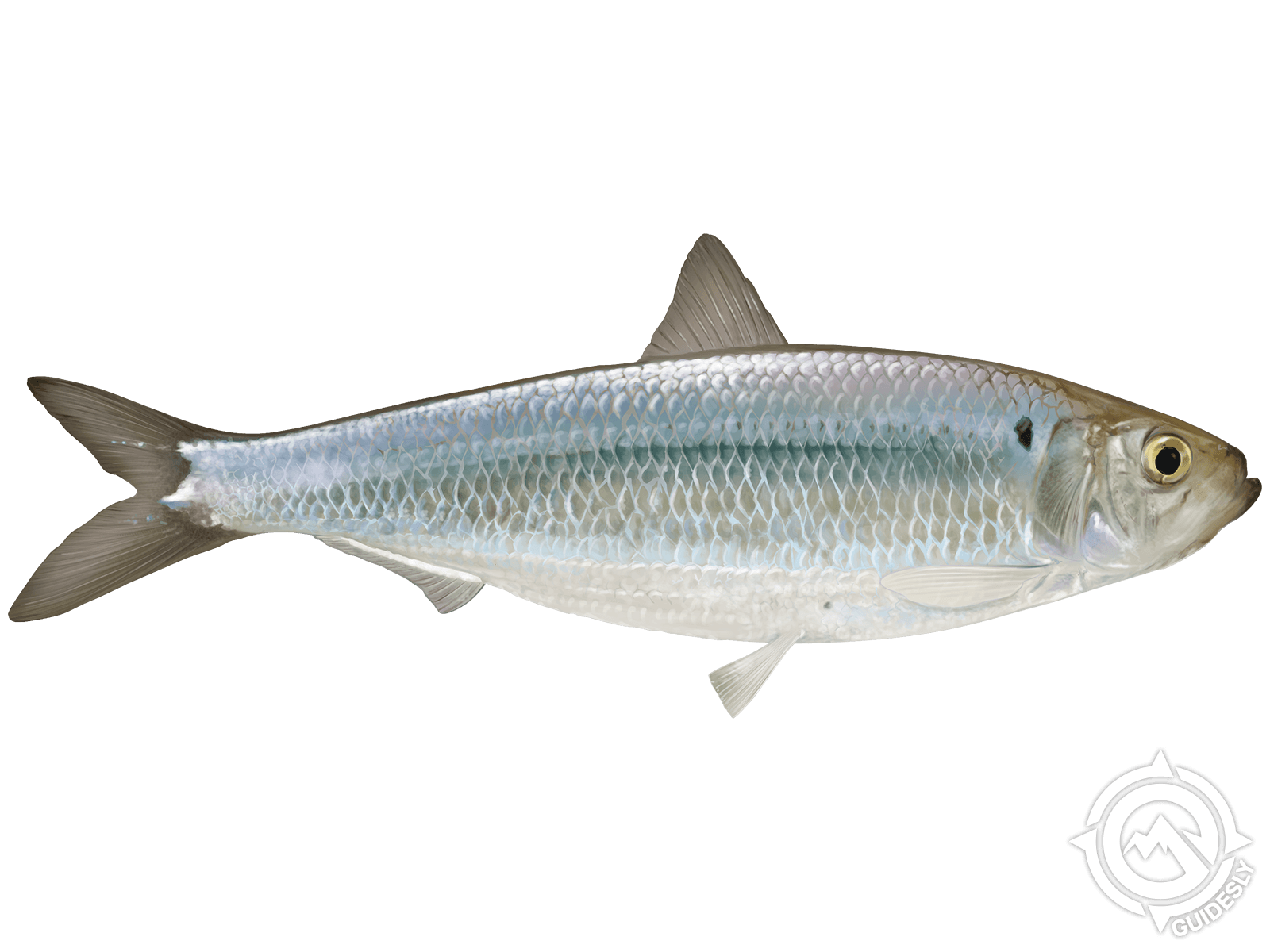
The Atlantic Herring (Clupea harengus) belongs to the family Clupeidae and order Clupeiformes, making it one of the most abundant and economically important fish species in the world. Known affectionately as "The Silver of the Sea," this sleek, torpedo-shaped fish sports a distinctive silvery body with a bluish or greenish back, and it's been a cornerstone of coastal economies for centuries. From New England fishing villages to Gulf of Maine hotspots, Atlantic Herring has fed families and fueled industries since long before modern times. These fascinating fish are perhaps most famous for forming schools of millions—sometimes even billions—creating a natural phenomenon that stretches across nearly five cubic kilometers of ocean. Beyond their ecological significance, they're filter feeders with a quirky behavior: they expel air from their anal duct, earning them the humorous nickname "farting fish."
Atlantic Herring Habitat and Distribution
Atlantic Herring thrive on both sides of the northern Atlantic, with North American populations ranging from the cold waters of Labrador in Canada all the way south to Cape Hatteras in North Carolina. These pelagic fish are true ocean dwellers, typically inhabiting the middle depths between 30 and 300 feet below the surface where they cruise in search of food. The Gulf of Maine and Gulf of St. Lawrence are legendary fishing hotspots where herring congregate in impressive numbers. While they prefer the open sea, Atlantic Herring occasionally venture nearshore and into coastal waters, particularly during their spawning season when they migrate to traditional breeding grounds in late summer and early fall. Their presence in Gulf of Maine waters during these peak periods creates one of nature's most spectacular—and commercially valuable—natural events.
Atlantic Herring Size and Weight
Atlantic Herring are modest in size compared to many gamefish, with a typical adult ranging from 8 to 15 inches in length. Maximum specimens can reach up to 18 inches long and weigh just over 2 pounds, though most caught or netted average closer to 1 pound. Their relatively small, streamlined frame is perfectly adapted for energy-efficient swimming through vast schools, and their proportionally large scales are quite visible and distinctive. Despite their compact size, herring can live up to 20 years in the wild—assuming they avoid the numerous predators that hunt them relentlessly.
Atlantic Herring Diet and Behavior
As carnivorous filter feeders, Atlantic Herring have evolved a unique dining strategy: they simply swim through the water column with their mouths wide open, straining zooplankton, krill, fish eggs, and larvae directly from the water. This feeding behavior makes them incredibly efficient, and it's one reason they can thrive in such massive populations. They're primarily nocturnal, becoming most active under cover of darkness and retreating to deeper waters during daylight hours to escape their many predators—a list that includes tunas, salmon, sharks, dolphins, killer whales, seals, sea lions, and various seabirds. Their schooling behavior serves as a safety strategy; by grouping together by the millions, they confuse predators and increase individual survival odds. Atlantic Herring are not known for impressive speed, cruising at an average of just 43 inches per second, though they can accelerate frantically when pursued.
Atlantic Herring Spawning and Seasonal Activity
The Atlantic Herring's spawning season is one of the most dramatic events in marine ecosystems, typically occurring from late summer through early fall, particularly in Gulf of Maine regions. During this period, millions or billions of herring collect in traditional spawning grounds, creating a frenzy of reproductive activity. Both males and females release their sperm and eggs simultaneously onto the ocean floor in an external fertilization process that blankets vast areas of the seafloor. The fertilized eggs hatch into larvae within 7 to 10 days, and by springtime, these larvae transition into juvenile fish that instinctively begin schooling behavior. This predictable seasonal pattern has made Atlantic Herring spawning a historically important commercial fishing period, though modern management aims to maintain sustainable populations.
Atlantic Herring Techniques for Observation or Capture
Trawling: Commercial and recreational fishers seeking Atlantic Herring typically employ offshore trawling, dragging large nets through the pelagic zones where these fish congregate in schools. This method is highly effective for bulk capture but requires specialized vessels and equipment. Target depths of 30 to 300 feet offshore, particularly in the Gulf of Maine, during late summer through early fall for peak spawning aggregations.
Hook and Line Fishing: While less common for recreational anglers, you can pursue Atlantic Herring with small hooks and light tackle. However, be prepared for frustration—they're notoriously fussy eaters and require patience. Use small live bait, fish in deeper offshore waters, and fish during low-light periods (dawn, dusk, or night) when they're actively feeding. Around New England ports, charter captains familiar with local herring grounds can guide you to productive areas.
Observation and Study: For non-extractive enjoyment, visit coastal research centers or charter trips during spawning season to witness massive herring aggregations. The visual spectacle of water roiling with millions of silver bodies is unforgettable and increasingly popular with ecotourism operators in Atlantic Canada and New England.
Atlantic Herring Culinary and Utilization Notes
Atlantic Herring has been a dietary staple for centuries, valued for its accessibility, flavor, and exceptional nutritional profile. The meat is rich in omega-3 fatty acids and vitamin D, making it a heart-healthy choice recognized by nutritionists worldwide. Fresh herring has a delicate, slightly fishy taste that's enhanced by smoking, pickling, or canning—preparation methods that have preserved this fish in pantries and on tables from Scandinavia to New England for generations. Commercially, herring is sold fresh at market, canned in oil or tomato sauce, smoked, and pickled in vinegar, each preparation offering distinct flavor profiles. Beyond human consumption, Atlantic Herring serves as premium bait for larger gamefish, making it economically valuable to recreational and commercial fishing operations alike. The sustainability of herring stocks is actively managed through quotas and seasonal closures to ensure this resource remains available for future generations.
Atlantic Herring Frequently Asked Questions
Q: What is the best technique to catch Atlantic Herring?
A: Offshore trawling is by far the most effective method, capable of harvesting large numbers. If using hook and line, employ small hooks with tiny live bait, fish deeper offshore zones at night, and prepare for patience—they're fussy eaters and unreliable for recreational angling, which is why herring ranks as Poor Odds for sport fishing. Your success rate will improve significantly if you fish during spawning aggregations in the Gulf of Maine during late summer and early fall.
Q: Where can I find Atlantic Herring in New England?
A: The Gulf of Maine is the premier herring destination in New England, with dense populations between 30 and 300 feet deep year-round and explosive aggregations during spawning season. Cape Cod, Maine's offshore banks, and Nova Scotia waters are also productive. Charter boats operating from Boston, Portland, and other New England ports can locate herring schools, though most commercial and recreational fishing targets other species alongside herring.
Q: Is Atlantic Herring good to eat?
A: Yes—Atlantic Herring ranks as Good Odds for quality consumption. It's nutrient-dense, packed with omega-3 fatty acids and vitamin D, and versatile in the kitchen. Fresh herring can be grilled, pan-fried, or baked; smoked herring offers rich, distinctive flavor; and pickled herring is a classic prepared product. The culinary tradition surrounding herring spans centuries and cultures.
Q: When is the best time to observe or catch Atlantic Herring?
A: Late summer through early fall (typically August to October) during spawning season brings massive herring aggregations to traditional grounds, particularly in the Gulf of Maine. This is when you'll see the most fish and have the highest chance of encounters. Nighttime offers better angling odds, as herring feed more actively after dark. Winter and spring see herring dispersing into deeper, more remote offshore zones.
Q: Why are Atlantic Herring called "farting fish"?
A: Atlantic Herring expel air through their anal duct as a form of communication within their massive schools, producing audible "farting" sounds. Scientists believe this behavior helps coordinate school movements and may confuse predators. It's one of the fish world's most amusing and unexpected behaviors, making herring uniquely memorable to those who encounter them.
Q: Can Atlantic Herring be used as bait?
A: Absolutely. Atlantic Herring is highly sought after as live or frozen bait for larger gamefish including tuna, striped bass, and other predators. Its availability and affordability make it a preferred choice among charter operations and commercial bait suppliers throughout Atlantic Canada and New England waters.